
Introduction
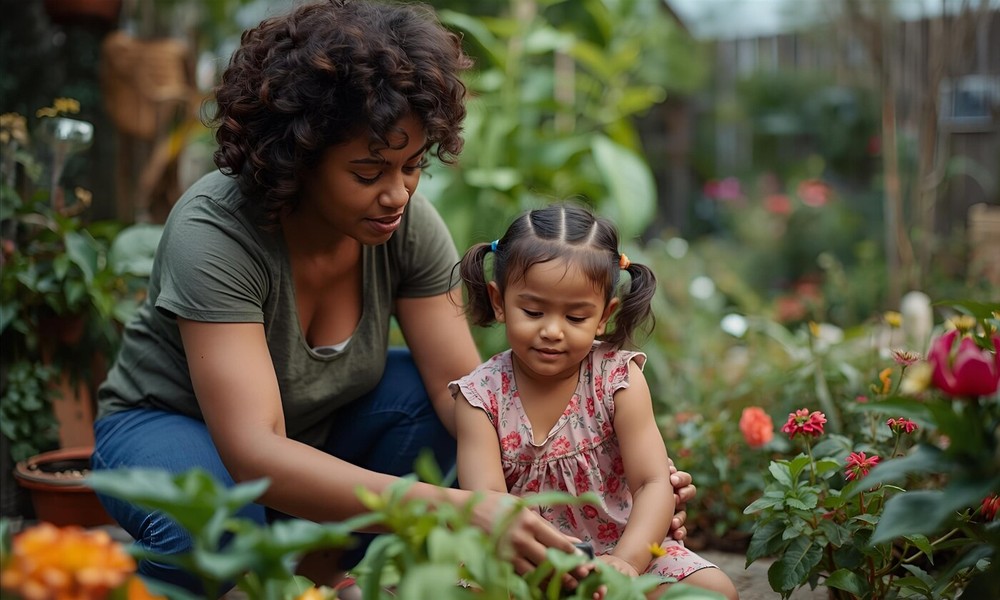
Teaching children responsibility from a young age is important for their personal growth. One effective way to do this is by involving them in yard work through simple and practical tasks. By teaching kids yard work responsibility, parents can help keep the surroundings clean while also building valuable life skills such as discipline, teamwork, and time management.
Start with Simple Tasks
When introducing kids to yard work, it is best to begin with small and easy tasks. Activities like picking up leaves, watering plants, or collecting small twigs are suitable for beginners. These simple tasks help children understand their role without feeling overwhelmed. As they become more comfortable, more responsibilities can be added gradually.
Make It Fun and Engaging
Children are more likely to participate when tasks are enjoyable. Turning yard work into a fun activity can make a big difference. Parents can create small challenges, use timers, or work alongside their children to keep them motivated. Making the experience positive encourages children to take part willingly and builds a sense of achievement.
Teach the Value of Responsibility
Giving children specific tasks and expecting them to complete them teaches accountability. When kids understand that their work contributes to maintaining the home environment, they begin to take responsibility seriously. Regular involvement in yard work helps build discipline and a sense of ownership.
Encourage Teamwork
Yard work is a great opportunity to teach teamwork. When children work together with family members, they learn to cooperate and support each other. Group activities such as cleaning the yard or planting together can strengthen family bonds while teaching important social skills.
Set a Routine
Creating a regular schedule for yard work helps children develop consistency. Assigning specific days or times for these tasks makes them a part of daily life. A routine helps children understand the importance of completing responsibilities on time and staying organised in a disciplined and responsible manner.
Appreciate Their Efforts
Recognising and appreciating children’s efforts is essential. Simple praise or encouragement can boost their confidence and motivate them to do better. When children feel valued, they are more likely to continue participating and improving their skills. This also helps in building a positive attitude, strengthens their interest in work, and encourages them to take more responsibility in future tasks.
Conclusion
Teaching kids yard work responsibility through practical tasks is a simple yet effective way to build important life skills. By starting with small tasks, making activities enjoyable, and encouraging teamwork, children can learn responsibility in a positive environment. Setting a routine and appreciating their efforts further strengthens their commitment. With patience and guidance, yard work can become a meaningful learning experience that benefits children in the long run.