
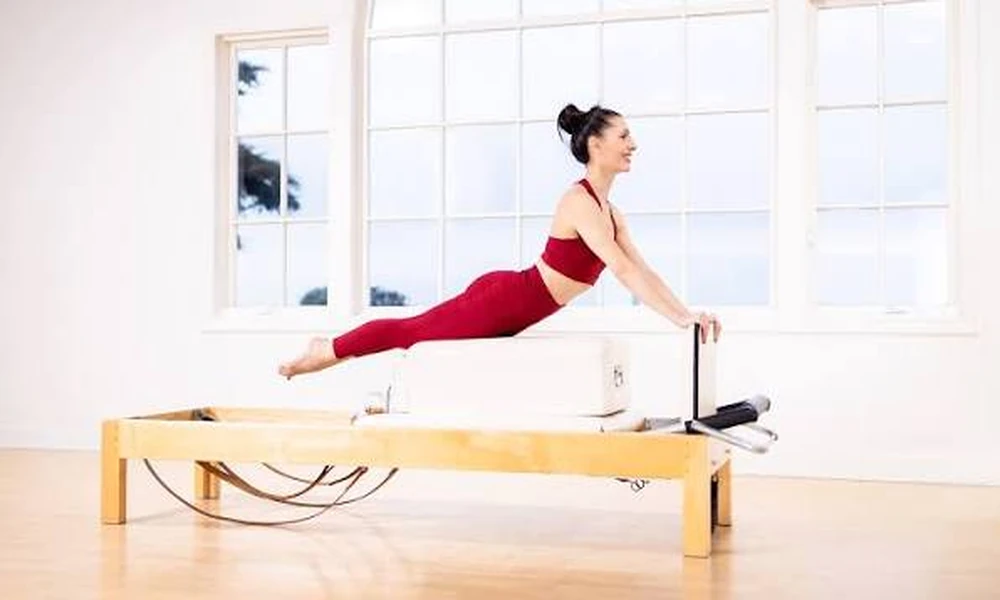
Reformer Pilates is based on special techniques facilitating the safer and more effective movement patterns. This guide provides and explains fundamental methods that can be used to enhance overall control and awareness of the body. This overview can be used to enhance the practice of any person who is practicing reformer Pilates.
Techniques that help improve overall control and body awareness
Core techniques for proper form
The correct form is a requirement in order to acquire maximum benefits of Reformer pilates exercises. Moving generators with control assists in the prevention of strains and maximizes the effect. The knowledge of these fundamental methods helps in safer, more constructive practice. These are the fundamental methods to promote proper reformer Pilates form:
- Controlled movement: This will enable you to move slowly and deliberately, to maintain control in all workouts.
- Engaged core muscles: Maintaining stability during the dynamic movements of the reformer is aided by keeping the core active.
- Neutral spine alignment: Spinal position is the proper position of the spine and it prevents wastage of forces in the exercises.
- Steady breathing patterns: Coordinating breathing and way of motion enhances better alignment and balance.
Breathing techniques for better control
Breathing is an important factor at assisting the quality of movement during reformer Pilates. Breath combining with certain movements promotes rhythm and stability. The conceptualization of these methods helps to facilitate the overall practice in a more efficient way. These are breathing exercises based on reformer Pilates:
- Lateral breathing: The expansion of the ribcage to the side helps in the core investment during motion.
- Exhale on exertion: Exhaling on the effort helps to maintain control and balance.
- Consistent rhythm: Stable breathing is beneficial to maintain attention during longer sequences.
Alignment principles for safer practice
Correct positioning facilitates healthier movement, lessening the unwarranted effort on joints and muscles. Learning major principles of alignment aids practitioners to move in a more efficient manner in every exercise. These are the same principles that hold during reformer Pilates. Consider the following guidelines to alignment to promote a safer practice of reformer Pilates:
- Shoulder positioning: Relaxing shoulders and maintaining their alignment will assist in avoiding the occurrence of such unnecessary tension on the upper body.
- Pelvic stability: This is the maintenance of pelvic control that helps to ensure good alignment during dynamic movements.
- Even weight distribution: Proper weight distribution aids in stability in exercises on a carriage.
Conclusion
Learning fundamental reformer Pilates will enable more efficient movement in the long-term. Learning breathing, alignment, and engagement of the core will support the improvement of the quality of the practice. Continuous technique is helpful in long-term development.